
This article naturally leads readers toward scheduling a consultation because many people don’t realize their symptoms point to sleep apnea rather than stress or aging.
Is Your Morning Headache Actually Sleep Apnea? 7 Warning Signs You Shouldn’t Ignore
Most people assume waking up with a headache is simply part of a stressful life.
Maybe you slept in a strange position.
Maybe you’re dehydrated.
Maybe you just need another cup of coffee.
But if those morning headaches happen regularly, your body may be trying to tell you something much more important.
One of the most commonly overlooked symptoms of obstructive sleep apnea is waking up with frequent headaches—and it’s far from the only warning sign.
At Sleep Apnea Dentists of New England, we often meet patients who have struggled for years before discovering that poor sleep—not stress—was the real culprit.
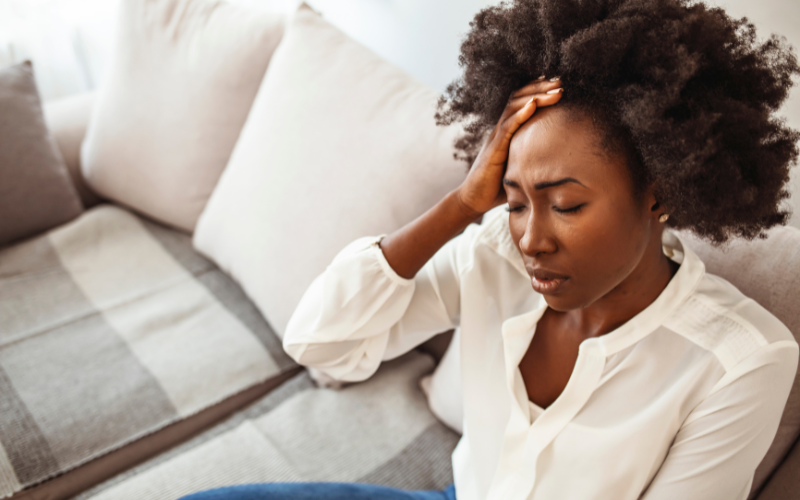
Why Does Sleep Apnea Cause Morning Headaches?
Obstructive sleep apnea occurs when your airway repeatedly collapses while you sleep.
These interruptions reduce oxygen levels and force your brain to wake you—sometimes hundreds of times each night—to reopen your airway. Even if you don’t remember waking up, your body does.
Lower oxygen levels combined with disrupted sleep can trigger headaches that are often present immediately upon waking and gradually improve throughout the morning. Sleep apnea is also associated with excessive daytime sleepiness, impaired concentration, and increased cardiovascular risk if left untreated.
Seven Warning Signs You Shouldn’t Ignore
1. Morning Headaches
If your headaches occur several mornings each week and seem to disappear after you’ve been awake for a while, sleep apnea may be contributing.
2. Loud Snoring
Not everyone who snores has sleep apnea.
However, loud, chronic snoring—especially when accompanied by pauses in breathing—is one of the most common indicators of obstructive sleep apnea.
Often, it’s a spouse or family member who notices first.
3. Waking Up Tired Every Day
Have you ever slept eight hours but still felt exhausted?
Quality matters more than quantity.
Repeated breathing interruptions prevent your brain from reaching the restorative stages of sleep needed for true recovery.
4. Difficulty Concentrating
Poor sleep affects memory, focus, decision-making, and productivity.
Many patients mistakenly believe they’re simply getting older or experiencing burnout when fragmented sleep is the real issue.
5. Dry Mouth Every Morning
If you wake with a dry mouth or sore throat, you may be breathing through your mouth during sleep due to airway obstruction.
Dentists often notice signs of mouth breathing and other oral changes that can point toward sleep-disordered breathing.
6. High Blood Pressure
Sleep apnea places significant stress on the cardiovascular system.
Over time, untreated sleep apnea has been linked with hypertension, heart disease, stroke, diabetes, and other serious medical conditions.
7. Your Partner Notices You Stop Breathing
This is perhaps the most important warning sign.
If someone has observed you gasping, choking, or stopping breathing during sleep, it’s time to seek a professional evaluation.
These breathing pauses are not normal and should never be ignored.
Why Many People Go Undiagnosed
Millions of adults live with obstructive sleep apnea without realizing it.
Because the symptoms develop gradually, many people blame aging, stress, work schedules, or poor sleep habits instead of considering an underlying medical condition.
The good news?
Sleep apnea is highly treatable.
What If You Can’t Tolerate CPAP?
While CPAP remains an excellent treatment for many patients, it isn’t the best solution for everyone.
For patients with mild to moderate obstructive sleep apnea—or for those who simply cannot tolerate CPAP—a custom oral appliance may provide an effective, comfortable alternative. These devices gently reposition the jaw to help keep the airway open during sleep and are recognized by the American Dental Association as an appropriate treatment option for selected patients.
When Should You Schedule an Evaluation?
If you experience several of these symptoms on a regular basis, it’s worth discussing them with a healthcare provider.
The earlier sleep apnea is identified, the sooner you can begin improving your sleep, your energy, and your overall health.
Better sleep doesn’t just help you feel more rested—it can improve your quality of life, your relationships, your productivity, and your long-term wellness.
Ready to Find Out if Sleep Apnea Is Affecting Your Health?
At Sleep Apnea Dentists of New England, we have been helping patients find comfortable alternatives to CPAP since 1997. As one of the first dental practices accredited by the Academy of Dental Sleep Medicine, our team is dedicated to providing advanced, evidence-based care for obstructive sleep apnea.
If you’re waking up tired, suffering from morning headaches, or struggling with CPAP, contact our office today to learn whether oral appliance therapy may be the right solution for you.