Uncategorized

  • All the best sleep products we tested in 2021

    We thought to jumpstart the New Year we would share this exhaustive list of fantastic sleep aids. We stumbled across this article from CNN and found it shareworthy.

    CNN Underscored is constantly testing products — be it coffee makers or office chairs — to find the absolute best in each respective category.

    Our testing process is rigorous, consisting of hours of research (consulting experts, reading editorial reviews and perusing user ratings) to find the top products in each category. Once we settle on a testing pool, we spend weeks — if not months — testing and retesting each product multiple times in real-world settings. All this in an effort to settle on the absolute best products.

    This year, we tested dozens of sleep-related products — from bedding to alarm clocks — to find the best products you need to get the rest you need.

    Bedding

    Down comforters
    Shutterstock

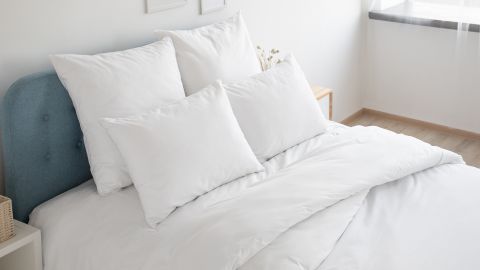
    Best down comforter overall: Brooklinen Down Comforter (starting at $159; brooklinen.com)

    Have you ever wished you could sleep on the clouds? Well, the Brooklinen Down Comforter is the closest thing to that. From the moment we took it out of the packaging, we had a hunch that this would be a favorite. And we were right.

    The comforter comes in three different weight options: lightweight, all-season and ultra warm. We tested the all-season comforter, and despite it being the middle of winter with temperatures dropping indoors and out, we found it to perfectly balance snuggly warmth with breathability. Though on the heavier end of the spectrum (it boasts a 700 fill power and baffle box design), we never found the comforter to trap too much heat or cause nighttime sweating. The comforter, with its 100% cotton sateen shell, was one of the softest we tested — and the one we kept coming back to cuddle into most nights.

    Best down comforter for warmth: The Company Store Legends Hotel Alberta Down Comforter (starting at $299; thecompanystore.com)

    When it comes to warmth and coziness, the Legends Hotel Alberta Down Comforter from The Company Store is unrivaled.

    Full disclosure: This comforter is for truly frosty climates, or especially cold sleepers. Though available in three different weights — light, medium and extra, all of which sport a baffle box construction — we tested and recommend the extra warmth option (which has a 650 fill power). While our main tester, who tends to sleep hot, found this lofty comforter slightly too heavy to sleep with throughout the night, a cold-sleeping family member absolutely loved the warmth the Legends Hotel Alberta Down Comforter provided.

    Best down-alternative comforter: Buffy Cloud Comforter (starting at $109.65; buffy.co)

    The Buffy Cloud Comforter was like no other comforter we tested. This down-alternative comforter was by far the best alternative version we tested — and the only one we’d recommend, as the other down alternatives we tested lacked in both quality of construction and comfort.

    Although this was a new type of material for us — as we typically sleep with a down comforter in our nontesting days — we thought the fabric was very soft and lightweight but still heavy enough to keep us warm throughout the night. The comforter was also very quiet, emitting no crinkling sounds when shifting sleeping positions.

    • Read more from our testing of comforters here.

    Flannel sheets
    L.L.Bean

    Best overall flannel sheets: Garnet Hill Hemstitched Supima Flannel Bedding ($197 for a queen set; garnethill.com)

    Luxurious without feeling overly thick or too weighty, Garnet Hill offers a delectably comfortable flannel sheet at a mid-to-high end price point, starting at $197 for a queen set (which includes two pillowcases, a fitted sheet and a flat sheet). These flannels come in lots of varieties of color and size, and instill confidence you’re getting a quality product that’ll last for years to come.

    Best lighter-weight option: West Elm Organic Flannel Solid Sheet Set ($170 for a queen set; westelm.com)

    Very close to our overall favorite because it is both supremely cozy and the most lightweight of all the sets we tested is West Elm’s organic flannel sheet, which starts at $170 for a queen set. These sheets didn’t come out on top because they’re available in only two colors and cannot be ordered a la carte like Garnet Hill’s sheets.

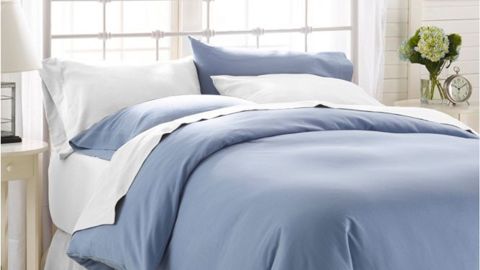
    Best cold-weather sheets: L.L.Bean Ultrasoft Comfort Flannel Sheet Set ($119 for a queen set; llbean.com)

    If you’re sleeping in really cold weather and you want to feel positively bundled, L.L.Bean makes a weighty flannel sheet for you — at a competitive price point for the level of craftsmanship therein at $119 for a queen set.

    Best bargain: Pinzon Signature Cotton Heavyweight Velvet Flannel Sheet Set ($70.99 for a queen set; amazon.com)

    Also delivering an excellent and very warm night of sleep, Pinzon by Amazon turns out a substantial flannel sheet at just $70.99 for a queen set. That’s half the price of some of the other higher-end brands, but you won’t feel like you’re sacrificing quality.

    • Read more from our testing of flannel sheets here.

    Linen sheets
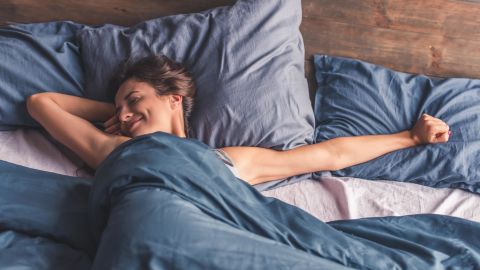
    iStock

    Best linen sheets overall: Parachute Linen Sheet Set (starting at $149; parachute.com)

    Making the bed with these sheets was effortless. We’ve struggled with tight-fitting cotton sheets before, wondering why bed-making must be truly laborious. The Parachute linens were roomy but not baggy. They fit the bed comfortably, like a lovingly worn-in linen button-down. On the summer night we first tested these, the sheets were soft but also firm. If this sounds uncomfortable, it was the converse: cool, light and luxurious. Our first mental note was that we felt like we were sleeping on a cloud.

    Runner-up linen sheets: Citizenry (starting at $230; the-citizenry.com)

    These are a sturdier, thicker option than some of the ones we tested, and thus feel like they’ll transition well into colder weather. Without an air conditioner unit blasting directly onto us in the heat of summer, these sheets almost felt heavy — so they wouldn’t be our first recommendation for hot sleepers. In a more temperature-controlled room, though, they felt so cozy we didn’t want to leave the bed.

    After even the first washing, these beauties softened significantly, rendering them even more snuggly.

    Softest linen sheets: Brooklinen (starting at $269; brooklinen.com)

    These sheets are the definition of soft. So comfortable. So enveloping. So melty. (They’re crafted from 100% French and Belgian linen, made in Portugal, and Oeko-Tex-certified for chemical safety.) We sort of dissolved into them in a very pleasing way. They felt like they had been washed and rewashed dozens of times, already achieving that texture, and from a sleeping experience alone, they were our favorite.

    Best affordable linen sheets: Amazon Simple&Opulence 100% Washed Linen Sheet Set (starting at $114; amazon.com)

    For less than $150, this is a very satisfying set of linens. While the sheets were slightly less luxurious-feeling and special than some of the other sets with special details or touches, these rank as high-quality, durable bedding more than worth their weight.

    • Read more from our testing of linen sheets here.

    Duvet covers
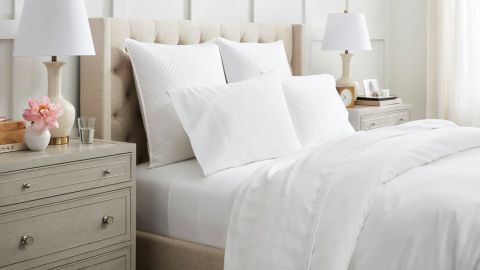
    Boll & Branch

    Best duvet cover overall: Casper Sateen Duvet Cover (starting at $99; casper.com)

    Hands down, the Casper Sateen Duvet Cover was the best duvet cover we tested. From the moment we took it out of the bag, we knew this one would be a winner. Between the zipper closure at the bottom to the hidden holes on the corners to more easily attach the cover to the duvet, the design of this duvet cover blew the others we tested out of the water — all for a middle-of-the-road price tag.

    Best duvet cover for warmth: L.L.Bean Ultrasoft Comfort Flannel Comforter Cover (starting at $64.95; llbean.com)

    For the colder months, or for those looking to outfit their cozy cabin, the L.L.Bean Ultrasoft Comfort Flannel Comforter Cover will give you the utmost softest feel while adding some warmth, as it was made from the thickest material we tested. And at less than $100 for a king-size cover, its quality and comfort surpass the price.

    Best luxury duvet cover: Boll & Branch Signature Eyelet Duvet Cover Set (starting at $358; bollandbranch.com)

    Want something a little more than plain Jane when it comes to design? If so, the Boll & Branch Signature Eyelet Duvet Cover is the perfect middle ground: It’s elegant but adds some design elements with borders. A full overlay also covers the bottom buttons, completing the design border. The quality is superb, with all stitching, ties and buttons fully secure. Note that this duvet cover isn’t cheap — in fact, it’s the most expensive of all we tested — but it’s one of the few luxury brands that also includes shams, making it easy to ensure that your bedding will match.

    Best affordable duvet cover: Mellanni Microfiber (starting at $27; amazon.com)

    If you love walking into a hotel room and getting comfy on those sleek-looking beds, you’ll love the Mellanni Microfiber Duvet Cover. With hidden button covers and matching shams and pillows, this comfortable duvet cover will lend an elegant vibe to your bedroom — at just around $30 in total for a five-piece set, an absolute steal in our book.

    • Read more from our testing of duvet covers here.

    Silk pillowcases
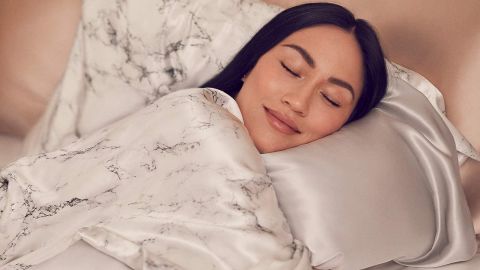
    Amazon

    Best silk pillowcase overall: Fishers Finery 25mm 100% Pure Mulberry Silk Pillowcase ($49.99; amazon.com)

    Fishers Finery — made from the finest silk available — felt luxuriously silky, fit our pillows perfectly, offered beautiful nights of sleep and were easy to wash and dry both by hand and in the machine.

    Best affordable silk pillowcase: MYK Silk Natural Silk Pillowcase with Cotton Underside ($23.99; amazon.com)

    The MYK Silk Natural Silk Pillowcase, featuring lovely silk on one side and white cotton on the other, offered a good fit, restful sleep and for about half the price of the Fishers Finery option — though it’s notably less luxurious-feeling.

    Best luxury silk pillowcase: Lunya Washable Silk Pillowcase ($74; lunya.co)

    We couldn’t get enough sleeps on the Lunya Washable Silk Pillowcase. Also a silk on one side, cotton on the other option, Lunya’s silk surface case was the most lavish to the touch, and design details made it feel significantly elevated.

    • Read more from our testing of silk pillowcases here.

    Alarm clocks
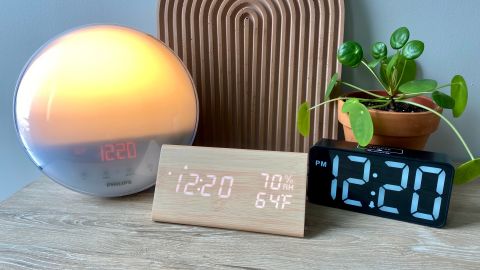
    Kai Burkhardt/CNN

    Best alarm clock overall: Jall Wooden Digital Alarm Clock ($25; amazon.com)

    The Jall Wooden Digital Alarm Clock looks great and has everything you need in an alarm clock. It’s simple to set, read, and use, and can wake you dependably with multiple alarms.

    Runner-up: DreamSky Compact Digital Alarm Clock ($18.99; amazon.com)

    An easy-to-use alarm clock without any bells and whistles to get in the way, the DreamSky is simple, durable, and highly readable, and will get you out of bed in the morning with a loud beep that isn’t too startling.

    Best sunrise alarm clock (and best with radio): Philips Wake-Up Light HF3520 ($99.99; amazon.com)

    Able to wake you gently with lights that gradually brighten to mimic the dawn, the Philips Wake-Up Light HF3520 is a great sunrise alarm clock and one of the best all-around alarm clocks we tested, with intuitive programming, a wide range of alarm tones and a radio.

    Best alarm clock for heavy sleepers: Sonic Bomb Dual Extra-Loud Alarm Clock With Bed Shaker ($32.07, originally $52.95; amazon.com)

    With the most intense, abrasive sound of any alarm we tested, a strobe light, and a vibrating puck that you place under your pillow, the Sonic Bomb can awaken even the heaviest sleepers

    • Read more from our testing of alarm clocks here.

    White noise machines
    Benjamin Levin/CNN

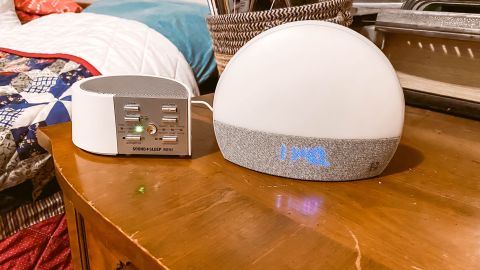
    Best sound machine overall: Sound+Sleep Mini ($65.63; amazon.com)

    The Sound+Sleep Mini contains 48 different sounds, like rain, brooks, fans, ocean sounds, white noise, and many more. The other devices we tested feature some of these soundscapes, but the Mini is one of the only one that has them all. .

    The upgrade pick: Hatch Restore ($129.99; amazon.com)

    While our overall pick is a classic sound machine, the Hatch Restore resides packs extra features like a large color-changing light on the front, a digital clock display and routines to help you wind down and fall asleep easier.

    • Read more from our testing of white noise machines here.

    Sleep mask
    Amazon

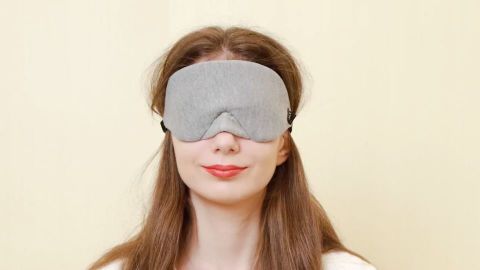
    Best sleep mask overall: Mavogel Cotton Sleep Eye Mask ($9.98; amazon.com)

    Let’s get right to our favorite thing about this mask: the adjustable nose wire. Similar to the nose wire in the masks that we have become all too familiar with in the last year, the Mavogel’s nose wire lets you get the perfect light-blocking, lock-in-place fit. Many masks had a slight crack of light around the nose bridge. This mask, though, formed the best seal around the edges, blocking out more light than any other mask we tested.
    • Read more from our testing of sleep masks here.

  • How To Wind Down for Better Sleep—Especially if You’re an Introvert

    Original Post | Erica Sloan・December 15, 2021

    Picture the pinnacle of social exhaustion: Perhaps, you’ve just spent four hours at a work holiday party, meeting the humans behind a bunch of Zoom squares IRL for the first time. Or, maybe you had a day of reconnecting with family members you haven’t seen in two, time-blurred pandemic years. It would seem that hitting the hay would be the most obvious solution—but once you get into bed, your body seems to say, Not so fast. For introverts, in particular, the draining nature of being social can leave you, paradoxically, chasing sleep.

    In general, that counterproductive scenario springs from the difference between feeling fatigued and feeling tired, says psychologist and behavioral sleep-medicine specialist Shelby Harris, PsyD, DBSM, author of The Women’s Guide to Overcoming Insomnia. While the former reflects a total drain of energy (which tends to happen for an introvert after a social event), the latter is more about physical sleepiness, which is that drowsy feeling that allows you to drift off to dreamland.

    “For introverts, socializing tends to overstimulate the brain and body, leading some to feel irritable, indecisive, or on edge.” —behavioral sleep-medicine specialist Shelby Harris, PsyD

    “For introverts, socializing tends to overstimulate the brain and body, leading some to feel irritable, indecisive, or on edge, or even to get physical symptoms, like a headache or muscle aches,” says Dr. Harris. “While all of that can be extremely exhausting, it doesn’t necessarily lead to feeling sleepy.” By contrast, a social event can actually flood the brain with uppers like dopamine, adrenaline, and cortisol, which, for an introvert, tend to be perceived negatively, says Mike Dow, PsyD, psychotherapist at Field Trip Health, a psychedelic-assisted therapy practice. In fact, these neurotransmitters can keep you reeling long after an event wraps up (cue: the introvert hangover).RELATED STORIESHow To Make Waking Up in the Dark Suck Less, According to…Not an Early Bird or Night Owl? Science Suggests There May Be…

    Trying to get to sleep in that state can require a whole lot more than simply getting into bed; after all, the process of falling asleep is nothing like an on-off switch, biologically, says Dr. Harris. For an introvert, especially, easing your mind into sleep mode is best done with a calming pre-bed ritual. Below, the experts share tips for socially exhausted introverts who want nothing more than to get a good night’s sleep.

    It’s especially hard for introverts to sleep after a highly social experience, but these 5 tips can help

    1. Create a container for your thoughts.

    “Introverts are internal processors,” says psychologist Laurie Helgoe, PhD, author of Introvert Power: Why Your Inner Life Is Your Hidden Strength. “They often take inputs from conversations and process them later, which can mean mulling over what someone said, replaying or continuing a conversation, coming up with a better comeback, and the like.”https://556d592cd02b0abe412f5bc25f63d090.safeframe.googlesyndication.com/safeframe/1-0-38/html/container.html

    Journaling can help put a pause to that spiral by providing a space for you to essentially unload all of your thoughts, and, if you’d like, feel free to return to them later—ideally at a time when you’re not trying desperately to get catch precious zzz’s.

    2. Talk back to negative self-talk.

    In re-assessing a social event (as introverts are wont to do), you may find that certain percolating thoughts devolve into negative or anxious ones. For example, it’s easy to start over-evaluating and hyper-personalizing, says Dr. Dow. “Maybe you start thinking, ‘Was Cindy looking at me weird? I must have done something wrong.’ And as the night goes on, the thoughts can turn more catastrophic in nature, leading to something like, ‘If I don’t get a good night’s sleep, I’m going to botch this presentation tomorrow, and if that happens, I could get fired,’ and so on,” he says.https://556d592cd02b0abe412f5bc25f63d090.safeframe.googlesyndication.com/safeframe/1-0-38/html/container.html

    In that case, he suggests employing one of the classic strategies of cognitive behavioral therapy, which is to reconsider thoughts and feelings not as facts but merely as information, which you can choose to disregard. “Access the best parts of yourself to talk back to those inner voices,” he says.

    3. Write in a gratitude journal.

    Taking time to remember all the things for which you’re grateful—whether they include highlights from the social activity of the day, or something else entirely—can also help you forgo the kind of thought-spiraling that tends to ward off sleep.https://556d592cd02b0abe412f5bc25f63d090.safeframe.googlesyndication.com/safeframe/1-0-38/html/container.html

    “Because introverts are natural problem-solvers, they can get stuck in focusing on what’s not working,” says Dr. Helgoe. “But a gratitude list can help you balance that problem orientation by reminding you of what is working.” And that, in and of itself, can be incredibly soothing.

    4. Practice some non-screen-based relaxation.

    While it’s tempting to scroll through Instagram or scan emails in bed to occupy a restless mind, that level of mental stimulation, combined with the melatonin-suppressing blue light, is a recipe for wakefulness. Instead, do anything non-screen-related that feels calming and relaxing, whether that’s reading, knitting, listening to music, or even coloring or doing a simple crossword or jigsaw puzzle, says Dr. Harris. (You can also practice mindfulness meditation, but because this can be challenging to really sink into with an overactive mind, Dr. Harris says it’ll be most beneficial for someone who already has a daytime meditation practice.

    If you’re really at a loss for where to start, try connecting with each of the five senses, says Dr. Dow: “Soothe your sense of touch with a bath, your sense of smell with a lavender candle, your sense of sight with dimmed lighting, your sense of hearing with calming music or a meditation track, and your sense of taste with a nighttime tea.”

    5. And if you’re tossing and turning, get out of bed.

    Trying to make sleep happen often keeps it from, well, happening. So, instead of remaining in bed and trying to will yourself asleep, get up, walk into another room, and return to whatever wind-down exercise you were doing beforehand in dim lighting, says Dr. Harris: “Simply changing what you’re doing and where you’re doing it can often help stop an overactive mind in its tracks.”

    Oh hi! You look like someone who loves free workouts, discounts for cutting-edge wellness brands, and exclusive Well+Good content. Sign up for Well+, our online community of wellness insiders, and unlock your rewards instantly.

  • 7 Midnight Snacks That RDs Say Can Help Lull You Back To Sleep

    Original Post | Well + Good Food and Nutrition

    We’ve all had those nights where we inexplicably wake up in the middle of the night with a grumbling belly. Maybe it was that HIIT workout you braved for the first time, your marathon of meetings-slash-evening-errands that left you with little time to eat an adequate dinner, or maybe you were just dreaming about delicious pasta (the best type of reverie).

    While you could certainly go forth and eat gobs of Nutella straight from the jar—convenience and tastiness are both extremely key, after all—you don’t need to be an registered dietitian to conclude that the sugar content isn’t exactly a recipe for sound sleep the rest of the night. “High fat and high sugar foods like ice cream and cookies are a double whammy of not helping you sleep well, because fat takes a long time to digest,” says Dawn Blatner, RDN, author of The Superfood Swap. “Giving your gut foods that are difficult to digest distracts your body from sleep, and then sugar causes spikes and crashes of blood sugar and those will interrupt sleep, too.”

    Blatner also suggests avoiding alcohol since, even though your nightcap can make you feel sleepy, it will disrupt your sleep cycle later in the night and lead to lower quality sleep. Caffeinated teas or too much of anything liquid should also be consumed in moderation, she adds, as having to use the bathroom can keep you awake.

    So what should you eat if you’re in the mood for a mid-snooze nosh? Read on for these RD-approved suggestions for healthy midnight snacks that will help you get right back to your REM cycle.

    7 healthy midnight snacks that will help lull you back to sleep

    1. Tart Cherries

    Tart cherries are a natural source of melatonin, a hormone that regulates the body’s internal clock and sleep-wake cycle,” says Blatner. If you can’t find tart cherries at the supermarket, she suggests opting for tart cherry concentrate, which is the super-charged version of tart cherry juice with two tablespoons packing in the equivalent of a whopping 60-plus cherries. Instead of guzzling it (remember that sugar and excessive amounts of liquid can keep you awake), create yourself a little ‘natural’ jello shot before bed. “All you do is mix two tablespoons of tart cherry concentrate with a tablespoon of chia seeds and chill it in the fridge. Try topping it with greek yogurt to combat the tartness,” Blatner says.RELATED STORIES‘I’m a Registered Dietitian, and This Is the One Food I Always…Why Snacking on Hemp Seeds Can Help You Sleep More Soundly

    2. Pumpkin Seeds

    “Pumpkin seeds are an excellent source of magnesium, and studies have found that magnesium improves insomnia and sleep efficiency,” says Blatner. Almonds, cashews, and peanuts are other good sources of magnesium that all make for ideal healthy midnight snacks.

    3. Cottage Cheese

    Cottage cheese contains the amino acid L-tryptophan. “Tryptophan plays a role in the production of serotonin, a neurotransmitter that’s associated with healthy sleep,” says Blatner. “Research has found people who ate cottage cheese about 30 minutes to an hour before going to bed experienced better metabolic health, muscle quality, and overall health than people who didn’t.”https://79dbc014217aa09ddae4500b65493fc3.safeframe.googlesyndication.com/safeframe/1-0-38/html/container.html

    We know it’s no cheesy mozzarella pizza or ricotta cheesecake, but you can optimize your enjoyment of cottage cheese with a sprinkle of cinnamon (which has its own sleep benefits). “You can also try topping it with tahini or sunflower seed butter, which both contain tryptophan as well,” says Blatner.

    4. Warm Milk

    New research suggests that the casein protein in cow’s milk interacts with trypsin, a digestive enzyme in the stomach, to produce a sleep-enhancing peptide complex called CTH, or casein tryptic hydrolysate,” says Blatner. “The added vitamin D in milk may also play a role in maintaining healthful sleep.”

    5. Kiwi

    Research suggests that the antioxidants and natural serotonin in kiwis can improve both sleep quality and quantity,” says Blatner. Kiwis are naturally sweet and delicious as-is, but you can jazz them up by lightly dipping them in dark chocolate. “Dark chocolate has magnesium, a helpful sleep mineral, but it also has a little caffeine, so go easy on it.”

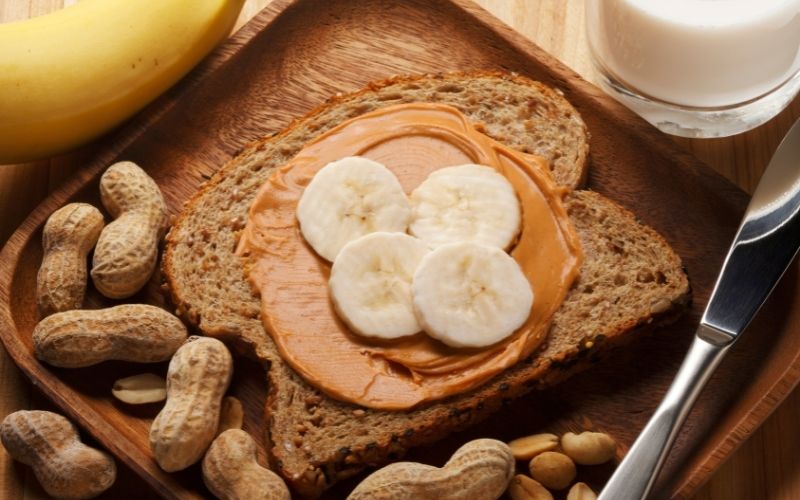
    6. Banana with Peanut Butter

    “Foods that contain unsaturated fats, like peanut butter, can help improve serotonin levels and boost satiety to keep you feeling satisfied and full during sleep,” says Carissa Galloway, RDN, a nutrition consultant at Premier Protein. “Eating bananas with peanut butter can also be helpful before bed, as bananas contain magnesium which, as mentioned, help support good sleep.” The combination of bananas plus peanut butter makes for one of the most delicious healthy midnight snacks out there.

    7. Chamomile Tea

    “There are numerous studies that support the benefits of chamomile tea in promoting a healthy nighttime routine,” says Galloway. Chamomile tea contains flavonoids, which are compounds found in certain foods, including one called apigenin. “Apigenin connects with receptors in our brains to help reduce insomnia and promote a state of steady sleep.”

    So when you find yourself wide awake in the wee hours, sip a cup of chamomile tea with a splash of steamed almond milk, or have a batch of Blatner’s chamomile cookies on hand.

    All that said, bear in mind that more important than what you eat before bed, is the amount. “Having a large amount of any food will take too much effort for your body to digest instead of resting,” says Blatner. A light nosh of one of the foods recommended here, on the other hand, will send you right into the sweetest of dreams.

  • The Effects of Sleep Deprivation on Your Body

    Original Post | Healthline May 15 2020

    The following is a fantastic article describing the effects of sleep deprivation on your body, broken down by system. Medically reviewed by Stacy Sampson, D.O., Family Medicine — Written by Stephanie Watson and Kristeen Cherney on May 15, 2020


    If you’ve ever spent a night tossing and turning, you already know how you’ll feel the next day — tired, cranky, and out of sorts. But missing out on the recommended 7 to 9 hours of shut-eye nightly does more than make you feel groggy and grumpy.

    The long-term effects of sleep deprivation are real.

    It drains your mental abilities and puts your physical health at real risk. Science has linked poor slumber with a number of health problems, from weight gain to a weakened immune system.

    Read on to learn the causes of sleep deprivation and exactly how it affects specific body functions and systems.

    Causes of sleep deprivation

    In a nutshell, sleep deprivation is caused by consistent lack of sleep or reduced quality of sleep. Getting less than 7 hours of sleep on a regular basis can eventually lead to health consequences that affect your entire body. This may also be caused by an underlying sleep disorder.

    Your body needs sleep, just as it needs air and food to function at its best. During sleep, your body heals itself and restores its chemical balance. Your brain forges new thought connections and helps memory retention.

    Without enough sleep, your brain and body systems won’t function normally. It can also dramatically lower your quality of life.

    review of studies in 2010Trusted Source found that sleeping too little at night increases the risk of early death.

    Noticeable signs of sleep deprivation include:

    Stimulants, such as caffeine, aren’t enough to override your body’s profound need for sleep. In fact, these can make sleep deprivation worse by making it harder to fall asleep at night.

    This, in turn, may lead to a cycle of nighttime insomnia followed by daytime caffeine consumption to combat the tiredness caused by the lost hours of shut-eye.

    Behind the scenes, chronic sleep deprivation can interfere with your body’s internal systems and cause more than just the initial signs and symptoms listed above.

    Central nervous system

    Your central nervous system is the main information highway of your body. Sleep is necessary to keep it functioning properly, but chronic insomnia can disrupt how your body usually sends and processes information.

    During sleep, pathways form between nerve cells (neurons) in your brain that help you remember new information you’ve learned. Sleep deprivation leaves your brain exhausted, so it can’t perform its duties as well.

    You may also find it more difficult to concentrate or learn new things. The signals your body sends may also be delayed, decreasing your coordination and increasing your risk for accidents.

    Sleep deprivation also negatively affects your mental abilities and emotional state. You may feel more impatient or prone to mood swings. It can also compromise decision-making processes and creativity.

    If sleep deprivation continues long enough, you could start having hallucinations — seeing or hearing things that aren’t really there. A lack of sleep can also trigger mania in people who have bipolar mood disorder. Other psychological risks include:

    You may also end up experiencing microsleep during the day. During these episodes, you’ll fall asleep for a few to several seconds without realizing it.

    Microsleep is out of your control and can be extremely dangerous if you’re driving. It can also make you more prone to injury if you operate heavy machinery at work and have a microsleep episode.

    Immune system

    While you sleep, your immune system produces protective, infection-fighting substances like antibodies and cytokines. It uses these substances to combat foreign invaders such as bacteria and viruses.

    Certain cytokines also help you to sleep, giving your immune system more efficiency to defend your body against illness.

    Sleep deprivation prevents your immune system from building up its forces. If you don’t get enough sleep, your body may not be able to fend off invaders, and it may also take you longer to recover from illness.

    Long-term sleep deprivation also increases your risk for chronic conditions, such as diabetes mellitus and heart disease.powered by Rubicon Project

    Respiratory system

    The relationship between sleep and the respiratory system goes both ways. A nighttime breathing disorder called obstructive sleep apnea (OSA) can interrupt your sleep and lower sleep quality.

    As you wake up throughout the night, this can cause sleep deprivation, which leaves you more vulnerable to respiratory infections like the common cold and flu. Sleep deprivation can also make existing respiratory diseases worse, such as chronic lung illness.

    JOIN IN

    HEALTHLINE CHALLENGEBuild a routine for better sleep

    Most of what affects your sleep happens when it’s still light. Learn healthy habits for superior shut-eye in our 12-day Clean Up Your Sleep Challenge.Enter your emailJOIN IN

    Your privacy is important to us

    Digestive system

    Along with eating too much and not exercising, sleep deprivation is another risk factor for becoming overweight and obese. Sleep affects the levels of two hormones, leptin and ghrelin, which control feelings of hunger and fullness.

    Leptin tells your brain that you’ve had enough to eat. Without enough sleep, your brain reduces leptin and raises ghrelin, which is an appetite stimulant. The flux of these hormones could explain nighttime snacking or why someone may overeat later in the night.

    A lack of sleep can also make you feel too tired to exercise. Over time, reduced physical activity can make you gain weight because you’re not burning enough calories and not building muscle mass.

    Sleep deprivation also causes your body to release less insulin after you eat. Insulin helps to reduce your blood sugar (glucose) level.

    Sleep deprivation also lowers the body’s tolerance for glucose and is associated with insulin resistance. These disruptions can lead to diabetes mellitus and obesity.

    Cardiovascular system

    Sleep affects processes that keep your heart and blood vessels healthy, including those that affect your blood sugar, blood pressure, and inflammation levels. It also plays a vital role in your body’s ability to heal and repair the blood vessels and heart.

    People who don’t sleep enough are more likely to get cardiovascular disease. One analysis linked insomnia to an increased risk of heart attack and stroke.

    Endocrine system

    Hormone production is dependent on your sleep. For testosterone production, you need at least 3 hours of uninterrupted sleep, which is about the time of your first R.E.M. episode. Waking up throughout the night could affect hormone production.

    This interruption can also affect growth hormone production, especially in children and adolescents. These hormones help the body build muscle mass and repair cells and tissues, in addition to other growth functions.

    The pituitary gland releases growth hormone throughout each day, but adequate sleep and exercise also help the release of this hormone.

    Treatment for sleep deprivation

    The most basic form of sleep deprivation treatment is getting an adequate amount of sleep, typically 7 to 9 hours each night.

    This is often easier said than done, especially if you’ve been deprived of precious shut-eye for several weeks or longer. After this point, you may need help from your doctor or a sleep specialist who, if needed, can diagnose and treat a possible sleep disorder.

    Sleep disorders may make it difficult to get quality sleep at night. They may also increase your risk for the above effects of sleep deprivation on the body.

    The following are some of the most common types of sleep disorders:

    To diagnose these conditions, your doctor may order a sleep study. This is traditionally conducted at a formal sleep center, but now there are options to measure your sleep quality at home, too.

    If you’re diagnosed with a sleep disorder, you may be given medication or a device to keep your airway open at night (in the case of obstructive sleep apnea) to help combat the disorder so you can get a better night’s sleep on a regular basis.

    Prevention

    The best way to prevent sleep deprivation is to make sure you get adequate sleep. Follow the recommended guidelines for your age group, which is 7 to 9 hours for most adults ages 18 to 64.

    Other ways you can get back on track with a healthy sleep schedule include:

    • limiting daytime naps (or avoiding them altogether)
    • refraining from caffeine past noon or at least a few hours prior to bedtime
    • going to bed at the same time each night
    • waking up at the same time every morning
    • sticking to your bedtime schedule during weekends and holidays
    • spending an hour before bed doing relaxing activities, such as reading, meditating, or taking a bath
    • avoiding heavy meals within a few hours before bedtime
    • refraining from using electronic devices right before bed
    • exercising regularly, but not in the evening hours close to bedtime
    • reducing alcohol intake

    If you continue to have problems sleeping at night and are fighting daytime fatigue, talk to your doctor. They can test for underlying health conditions that might be getting in the way of your sleep schedule.

  • Addressing Sleep Could Help Women Avoid Weight Gain During Menopause

    Original Article | Posted by Sree Roy | Apr 1, 2021

    Addressing sleep symptoms during menopause may reduce susceptibility to weight gain, according to a small study presented virtually at ENDO 2021, the Endocrine Society’s annual meeting.

    “Our findings suggest that not only estrogen withdrawal but also sleep disturbances during menopause may contribute to changes in a woman’s body that could predispose midlife women to weight gain,” says lead researcher Leilah Grant, PhD, of Brigham and Women’s Hospital in Boston, Mass, in a release. “Helping women sleep better during menopause may therefore reduce the chances a woman will gain weight, which in turn will lower her risk of diabetes and other related diseases.”

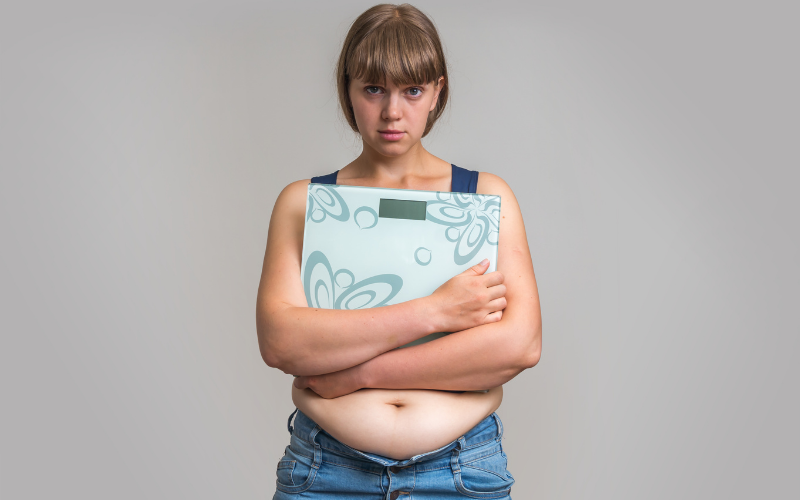
    Woman Battling Weight Issues from Lack Of Sleep

    Rates of obesity increase in women around the age of menopause. Menopause-related weight gain is often thought to be caused by the withdrawal of the female hormone estrogen. Estrogen is unlikely to be the only contributing factor, however, since all women stop producing estrogen in menopause while only about half of women gain weight, Grant says. Another common symptom, also affecting around half of women during menopause, is sleep disturbance, which has independently been linked to changes in metabolism that might increase the risk of weight gain.

    [RELATED: Insomnia Symptoms Worsen Throughout Menopause Transition]

    To better understand the role of sleep disturbances and hormonal changes in menopausal weight gain, the researchers studied 21 healthy premenopausal women.

    They used an experimental model simulating the sleep disturbance experienced in menopause to examine the effects of poor sleep on the body’s use of fat.

    Participants had two nights of uninterrupted sleep followed by three nights of interrupted sleep, where they were woken by an alarm every 15 minutes for 2 minutes each time. The researchers then restudied a subset of nine participants in the same sleep interruption protocol after they were given a drug called leuprolide, which temporarily suppressed estrogen to levels similar to menopause.

    Compared to a normal night of sleep, after three nights of disturbed sleep there was a significant reduction in the rate at which the women’s bodies used fat. A similar reduction in fat utilization was also seen when estrogen was suppressed, even during normal sleep. The combination of low estrogen and sleep disturbance also reduced fat utilization, but the effect was not larger than either exposure on their own.

    “In addition to estrogen withdrawal, sleep disturbances decrease fat utilization,” Grant says. “This may increase the likelihood of fat storage and subsequent weight gain during menopause.”

    If you are struggling with any sleep issues as a result of a diagnosis of sleep apnea, please contact us today for a consultation. We can help ensure better nights for better days!

  • Beta-blockers May Contribute to Sleep Disturbances

    We do not wish to infer that anyone should stop beta blocker use, but just explain why the use of beta blockers may interrupt with the treatment of insomnia.

    Posted by Sleep Review Staff | Mar 16, 2021 

    Beta Blocker and Sleep Disturbance

    Unusual dreams, insomnia and sleep disorders may be linked to beta-blockers, according to new research published in Hypertension, an American Heart Association journal.

    Beta-blockers are a class of medications that reduce the heart rate, the heart’s workload and the heart’s output of blood, which, together, lower blood pressure. They are a common treatment for cardiovascular diseases, including heart failure, arrhythmias, chest pains and high blood pressure. Researchers have suspected beta-blockers of having negative psychological side effects, including depression, anxiety, drowsiness, insomnia, hallucinations and nightmares.

    “The possible mental health side effects of beta-blockers have been the subject of discussion in the scientific community for many decades,” Reinhold Kreutz, MD, PhD, a professor at the Berlin Institute of Health, Institute of Clinical Pharmacology and Toxicology and the study’s supervising and corresponding author, says in a statement.

    The researchers analyzed data for more than 50,000 individuals from 258 studies including beta-blockers in double-blind, randomized controlled trials. Nearly 70% of the studies were clinical trials focused on high blood pressure treatment, and 31 assessed depression in placebo-controlled trials.

    Results from the comprehensive analysis also revealed that despite being the most frequently reported mental health side effect, depression did not occur more frequently during beta-blocker treatment compared to placebo treatment. And the rate of discontinuing medication use due to depression was not any different for those taking beta-blockers compared to those on other treatments.

    “Our results indicate that concerns about adverse mental health events, especially depression, should not affect the decision about beta blockers. Beta-blockers are mostly safe regarding psychological health,” said Kreutz. “We found no indication of an association between beta-blocker use and depression. The same was true for most of the other mental health symptoms, as reported in the studies that were included in our analyses. However, sleep-related symptoms such as unusual dreams or insomnia did emerge during beta-blocker therapy for some patients.”