
Sleep apnea is more than just disrupted sleep—it’s a condition that can impact energy levels, focus, and long-term health if left untreated. The good news is that there are several effective treatment options available today, ranging from non-invasive lifestyle changes to advanced medical therapies. The right solution depends on the severity of the condition and the individual needs of each patient.
Below is an overview of the most common and effective treatments for sleep apnea.
Positive Airway Pressure (CPAP, APAP, BiPAP)
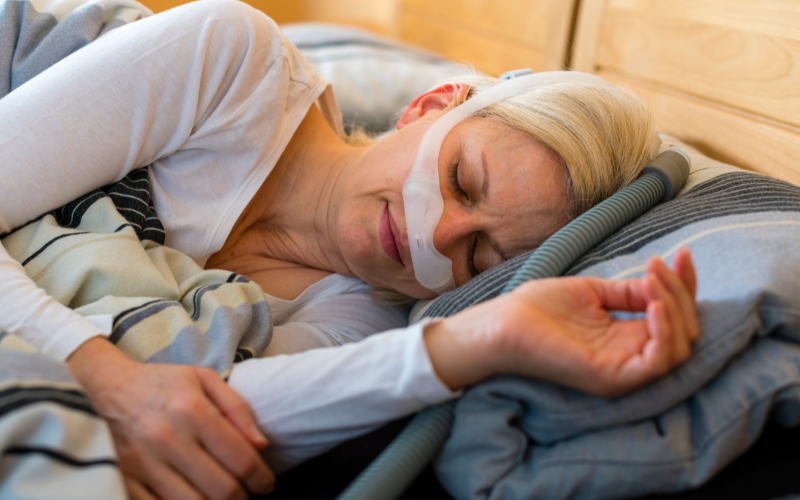
One of the most widely prescribed treatments for obstructive sleep apnea is positive airway pressure (PAP) therapy, commonly known as CPAP.
This treatment works by delivering a steady stream of air through a mask, keeping the airway open during sleep and restoring normal breathing. In fact, CPAP therapy can successfully normalize breathing in 90–95% of cases when used consistently.
However, while highly effective, it is not always easy for patients to tolerate. Some individuals experience discomfort from the mask, air pressure, or the overall setup, which can make long-term use challenging.
Oral Appliance Therapy (Dental Devices)
For many patients—especially those with mild to moderate sleep apnea—oral appliance therapy offers a comfortable and effective alternative.
These custom-made devices are worn during sleep and work by gently repositioning the jaw and tongue forward, helping keep the airway open. Many patients find them significantly easier to use than CPAP machines, with studies showing strong compliance and comfort.
When properly fitted, oral appliances can:
- Reduce or eliminate symptoms
- Improve sleep quality
- Restore more normal breathing patterns
They are also small, portable, and ideal for travel—making them a practical long-term solution for many individuals.
Tongue Retaining Devices (TRD)
Another non-invasive option is a tongue retaining device, which works by holding the tongue in a forward position to prevent airway obstruction.
While not as widely used or as effective as oral appliances, these devices can be helpful for individuals who:
- Cannot tolerate CPAP
- Are not candidates for traditional oral appliances
- Have limited dental structure
Custom versions tend to be more comfortable and effective than over-the-counter options.
Lifestyle Modifications
In cases of mild sleep apnea, lifestyle changes can play a meaningful role in reducing symptoms.
These may include:
- Weight loss
- Reducing alcohol consumption
- Quitting smoking
- Changing sleep position (such as avoiding sleeping on the back)
For some individuals, these adjustments alone can significantly improve breathing during sleep.
Positional Therapy
Some people experience more severe symptoms when sleeping on their back. Positional therapy focuses on training the body to sleep on the side, which can help reduce airway obstruction.
This can be achieved with:
- Specialized pillows
- Wearable devices
- Simple techniques to discourage back sleeping
In certain cases, this approach can reduce the severity of sleep apnea to a more manageable level.
Combination Therapy
Sleep apnea is not always solved with a single treatment. Many patients benefit from a combination approach, such as:
- Oral appliance therapy paired with CPAP
- Oral appliances combined with lifestyle changes
- Adjunct therapies like nasal breathing support
Combining treatments can improve overall effectiveness and provide better symptom relief.
Surgical Options
For patients who cannot tolerate other treatments, surgery may be considered.
One common procedure is uvulopalatopharyngoplasty (UPPP), which removes excess tissue from the throat to widen the airway. However, surgical outcomes can vary, and success rates may be relatively low compared to other treatments.
Newer surgical and implant-based options are emerging, but these are typically reserved for specific cases and should be carefully evaluated with a specialist.
Emerging and Alternative Therapies
Advancements in sleep medicine continue to expand treatment possibilities. Some newer or alternative approaches include:
- Tongue stimulation devices to improve airway muscle tone
- Oral appliances with advanced monitoring capabilities
- Adjunct techniques like guided breathing support
While promising, many of these options are still being studied and may not be appropriate for every patient.
Finding the Right Treatment
There is no one-size-fits-all solution for sleep apnea. The most effective treatment is the one that fits your lifestyle, comfort level, and medical needs—and one you can consistently use.
For some, CPAP may be the ideal solution. For others, oral appliance therapy or a combination of approaches may provide better long-term success.
Final Thoughts
Sleep apnea is highly treatable, and with the right approach, patients can experience deeper sleep, improved energy, and better overall health.
If you or a loved one is experiencing symptoms of sleep apnea, consulting with a qualified provider is the first step toward finding a treatment plan that restores not just sleep—but quality of life.